Quick answer
Equipment finance funds machinery, vehicles, technology and fit-outs, usually with the equipment itself as security. The main structures are a chattel mortgage, where you own the asset from the start; a finance lease or hire purchase, where ownership or use is arranged differently; and an unsecured or property-backed loan. They differ on ownership, tax treatment, balloon payments and how much the lender will fund.
Key points
- The equipment usually serves as the security.
- Chattel mortgage: you own it from day one, with the lender's interest registered.
- Leases and hire purchase handle ownership and tax differently.
- Match the term to the equipment's working life.
- Backed by
- The equipment itself, or property
- Main structures
- Chattel mortgage, lease, hire purchase, loan
- Suits
- Machinery, vehicles, tech, fit-outs
- Tax check
- GST, depreciation, write-off: ask your accountant
Equipment finance is really a family of products. They all help you get a machine, vehicle or system working in the business without paying for it all at once, but they differ in who owns the asset, how GST and depreciation are handled, and what you owe at the end. Picking the wrong one can cost more than picking the wrong lender.
What are the main equipment finance structures?
- Chattel mortgage. You buy and own the asset; the lender registers a security interest over it until it’s paid off.
- Hire purchase. The financier buys the asset and you pay it off in instalments; ownership passes to you at the end.
- Finance lease. The financier owns the asset and leases it to you; at the end you may pay a residual, return it or refinance.
- Operating lease or rental. You use the asset for a period and return it. Common for tech that dates quickly.
- Business loan. An unsecured or property-backed loan used to buy the equipment outright.
How do they compare?
| Chattel mortgage | Hire purchase | Finance lease | Business loan | |
|---|---|---|---|---|
| Who owns it during the term | You | Financier | Financier | You |
| Security | The asset | The asset | The asset | Trading record or property |
| Balloon or residual | Optional | Optional | Common | Not usually |
| Funds extras like installation | Sometimes limited | Sometimes limited | Sometimes limited | Flexible |
| Used or private sale | Often possible | Sometimes | Sometimes | Yes |
| Best for | Vehicles, machinery you’ll keep | Similar to chattel mortgage | Assets you may upgrade | Mixed purchases, older gear |
GST, depreciation and deductions differ across these structures. The business.gov.au guide to leasing or buying sets out the general picture, but your accountant should confirm what suits your business before you sign.
When does equipment finance beat a plain loan?
Equipment finance tends to win when:
- The asset holds its value well, like a ute, truck or excavator.
- It’s bought from a dealer with a clear invoice.
- You want to keep other security free, such as property.
- A longer term helps, matched to the asset’s working life.
A business loan can win when you’re buying a mix of items, older or specialised gear, installation and fit-out costs, or from private sellers. A property-backed loan can also fund several assets under one facility.
How long should the term be?
Keep the term within the time the equipment will earn its keep. A laptop shouldn’t be on a five-year contract; a well-maintained excavator might reasonably be. If a balloon brings the repayments down, check the asset will still be worth more than the balloon when it falls due. Our loan term page covers this.
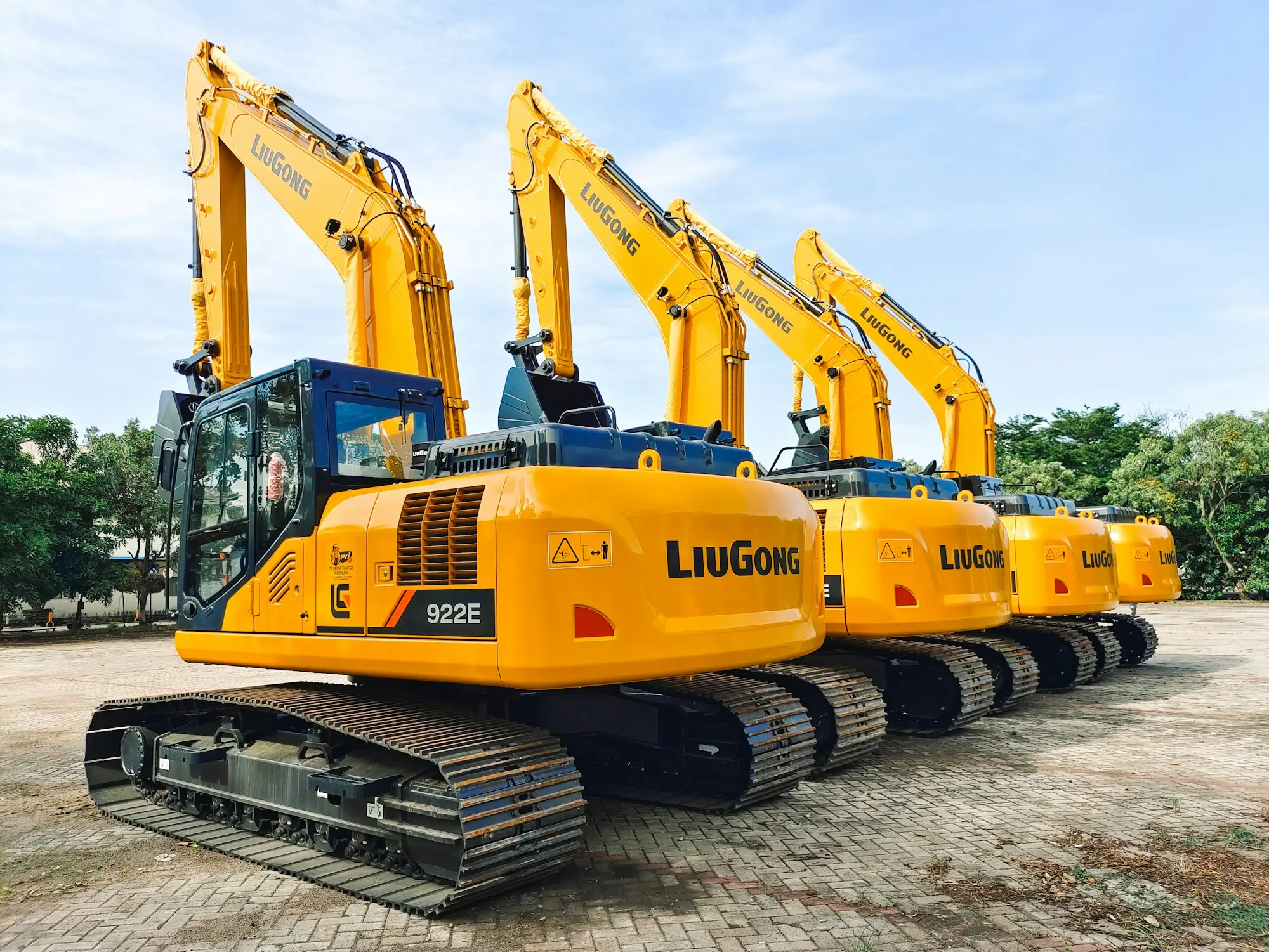
Illustrative example. A Toowoomba earthmoving contractor needs a $180,000 excavator from a dealer and $25,000 of attachments and transport. A chattel mortgage over five years with a modest balloon covers the excavator with low monthly repayments. The attachments come from a private seller, which the equipment financier won’t fund, so he covers those with a small unsecured loan. Two facilities cost a little more to set up, but the combined repayment suits his contract income.
What should you compare between equipment finance offers?
- Total repaid, including any balloon and fees.
- Balloon size versus the asset’s likely value at the end.
- Early payout terms if you upgrade or sell early.
- Insurance requirements.
- What happens at the end of a lease: residual, return or refinance.
- Who can supply: dealer only, or private sales too.
Use the loan offer comparer to see the total cost of each quote side by side, including any balloon.
Before you buy
- Get a written quote with make, model, year and serial number or VIN.
- For used gear, search the PPSR for existing security interests.
- Ask your accountant about GST credits, depreciation and the instant asset write-off.
- Check insurance costs for the asset.
Compare equipment finance for your next purchase
If you’ve found the equipment and want to know which structure suits, a short conversation will narrow it down. Enquiring doesn’t touch your credit file; a check comes later, only if you decide to go ahead. Your details won’t be fired off to a pile of lenders. A real person looks at the asset, the seller and your cash flow, then compares a chattel mortgage, lease or loan in plain dollars.
Please give accurate details on the form about the equipment and its price. Get your options, or try the business loan comparison tool first and then send us the quote.
Frequently asked questions
What is a chattel mortgage?
A chattel mortgage is a loan to buy equipment or a vehicle where you own the asset from the start and the lender registers a security interest over it on the PPSR until the loan is repaid. It's one of the most common structures for business vehicles and machinery.
What's a balloon payment?
A lump sum left owing at the end of the term, which lowers the regular repayments. You need a plan to pay it, whether from cash, selling the asset or refinancing. Our loan term page covers balloons in more detail.
Can I finance used or private-sale equipment?
Often yes, though some financiers limit the age of the asset or prefer dealer sales. A PPSR search before buying shows whether anyone else has a registered interest.
Is equipment finance better than a business loan?
Not always. Equipment finance can offer longer terms because the asset is security, but an unsecured or property-backed loan can fund extras like installation, fit-out or used gear more flexibly. Compare both.
Can I claim the instant asset write-off on financed equipment?
Eligibility depends on your turnover, the asset's cost and when it's first used or installed, not on how it's paid for. Check the current rules with the ATO and your accountant.